Device guide
Pocket Operators: tools, mods & resources
Community-made software, firmware mods, accessories, guides, and answered questions for the Teenage Engineering Pocket Operators (also known as PO, Pocket Operator).
MIDI Controllers & Sequencers
All midi controllers & sequencers
Sample & Kit Tools
All sample & kit tools
libpo32
A C library for PO-32 acoustic data transfer and drum synthesis
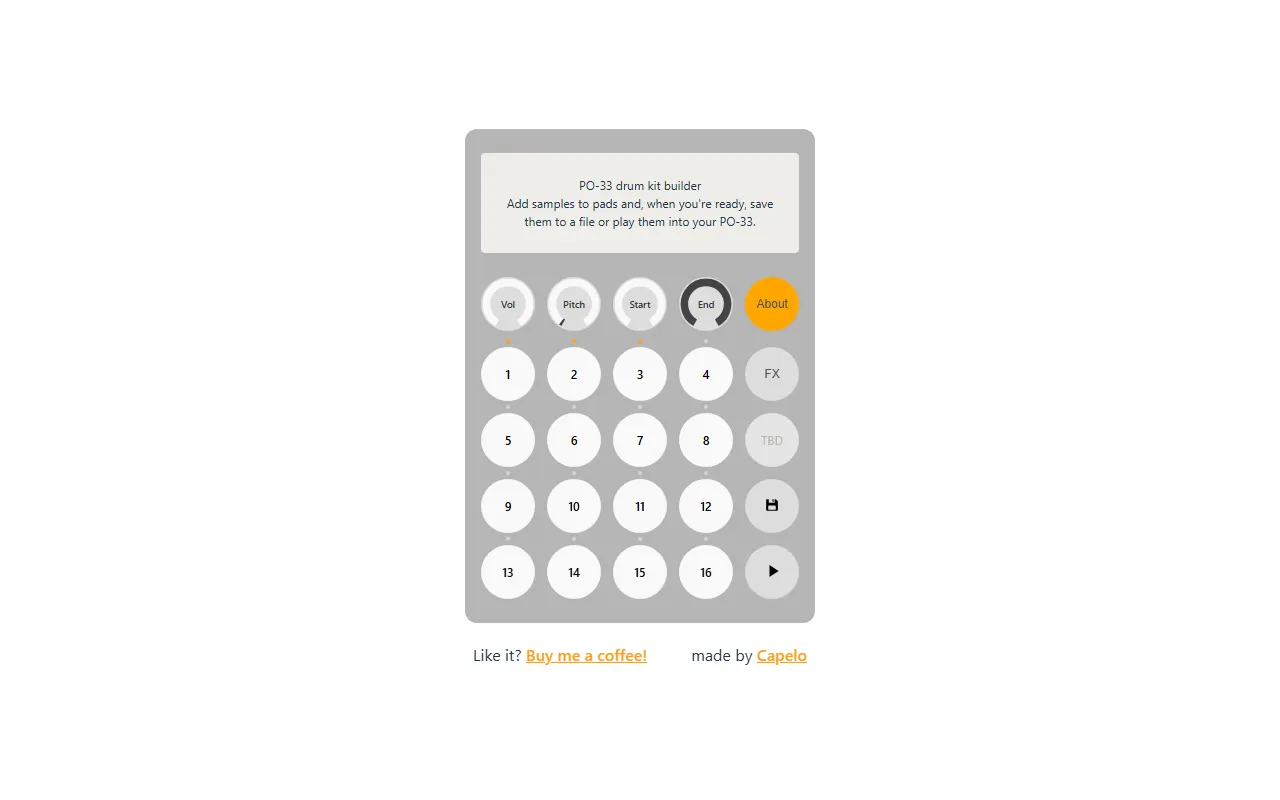
PO-33 Drum Kit Builder (capelo)
Free browser tool to build PO-33 drum kits
PO33 Drumpad
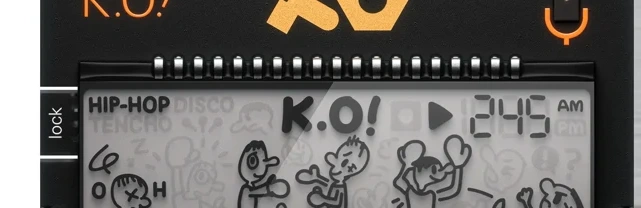
Build and load custom drum kits into the PO-33 K.O!
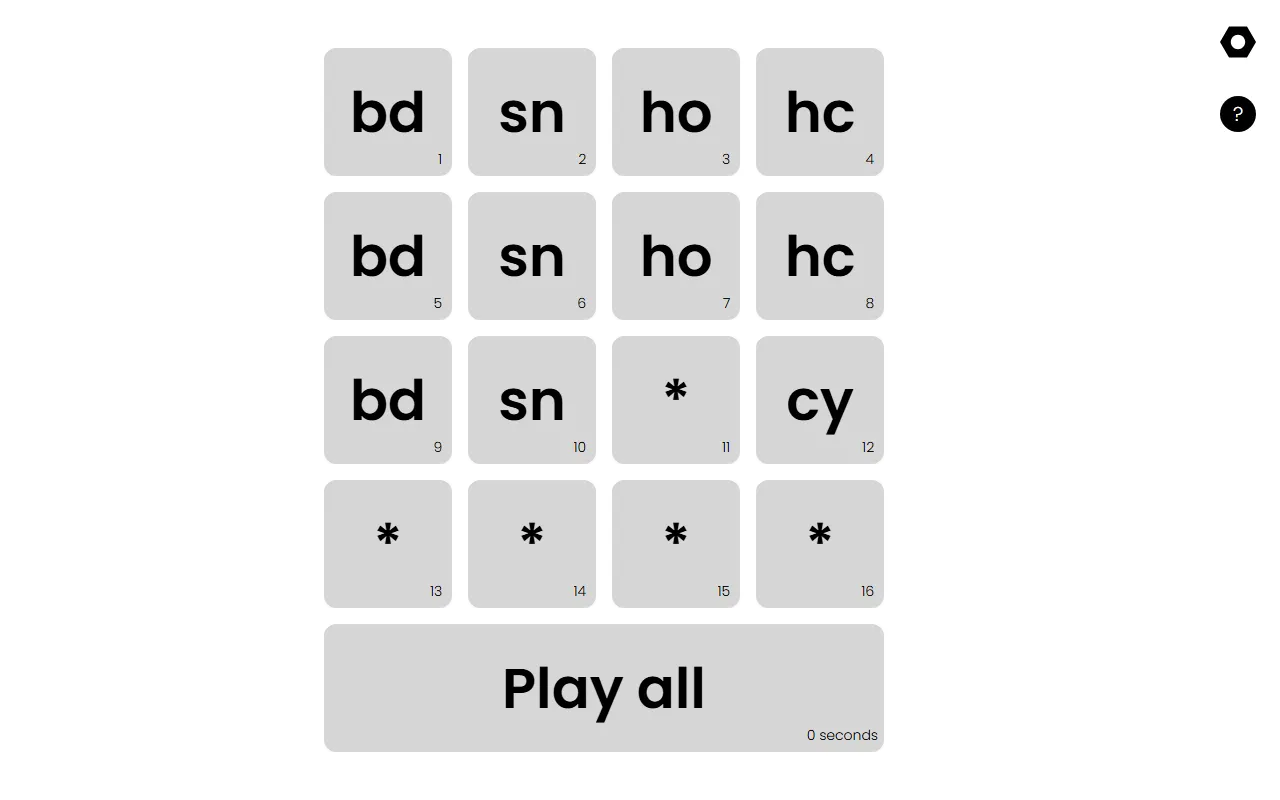
PO-33 Sample Loader
Plays a drum kit in order so you can load it into the PO-33 quickly
Pocket Lab
A browser audio editor for prepping samples for Pocket Operators
Accessories & 3D Prints
All accessories & 3d prints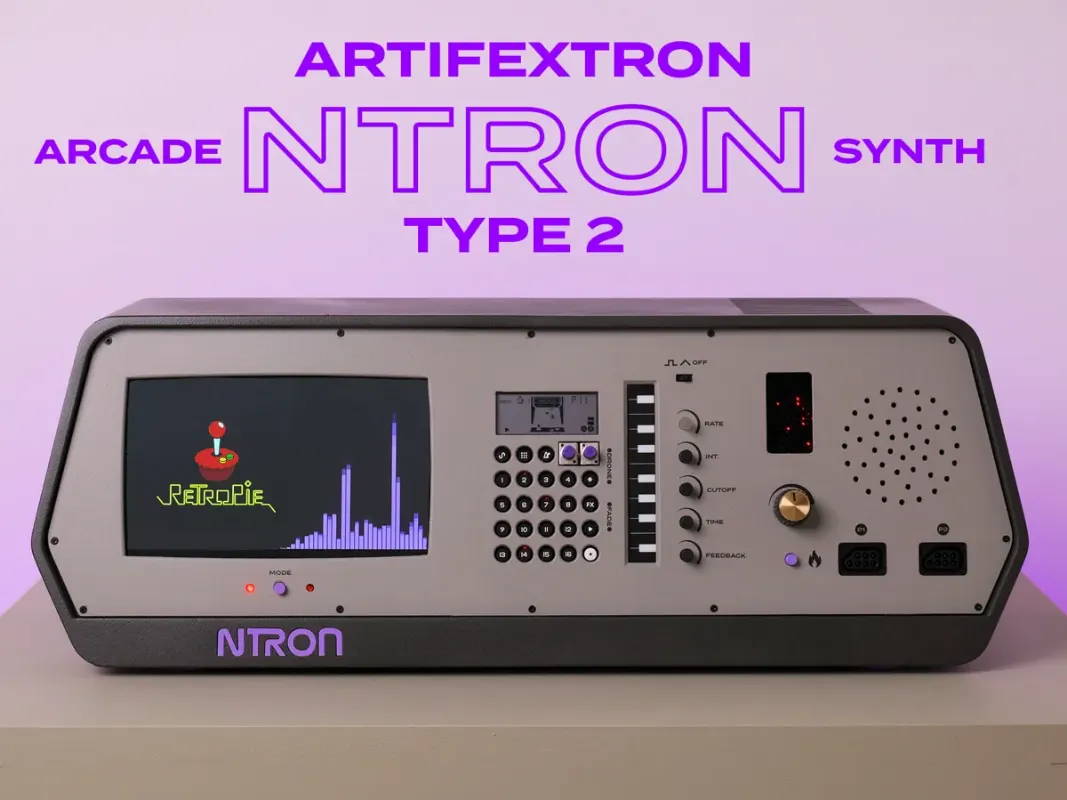
PO-20 Arcade Enclosure (Ntron Type 2)
Custom arcade-style 3D-printed enclosure for the PO-20 + Monotron Delay
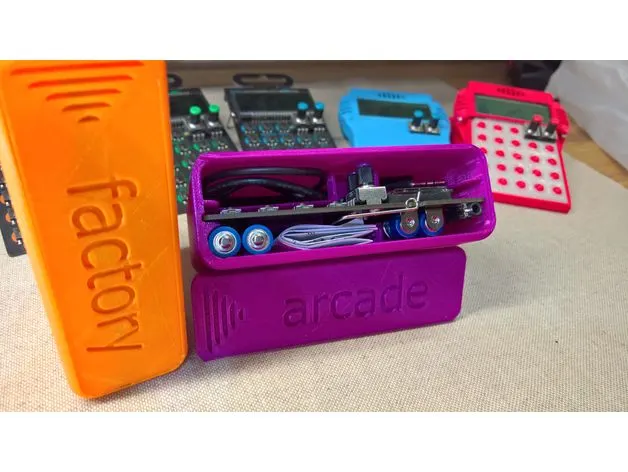
Pocket Operator Hard Case
3D-printable snap-together hard case for Pocket Operators
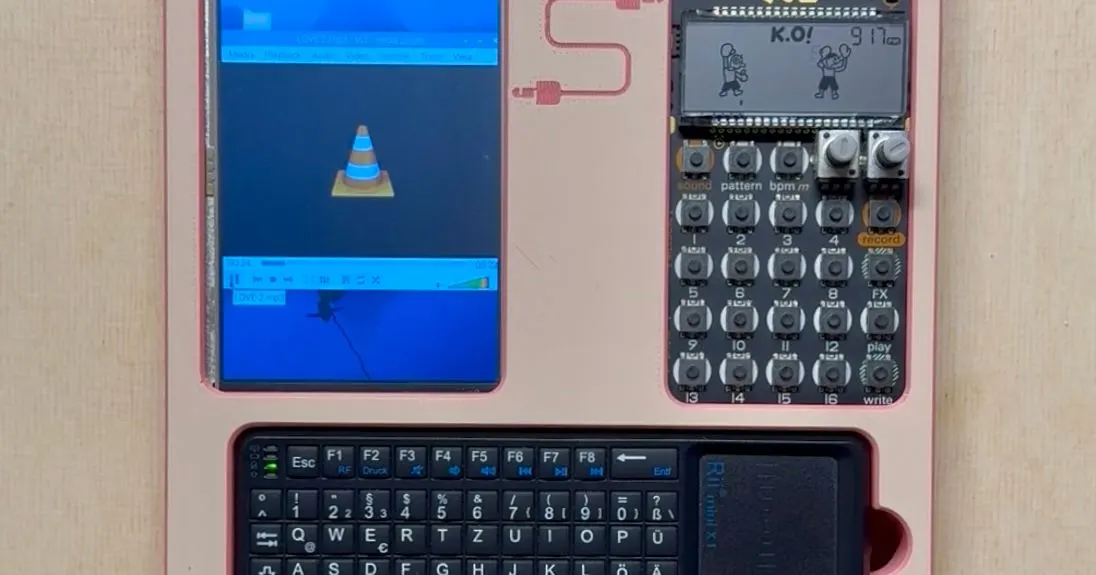
PO-33 + Raspberry Pi Sampling Case
Printable case pairing the PO-33 K.O! with a Raspberry Pi for on-the-go sampling
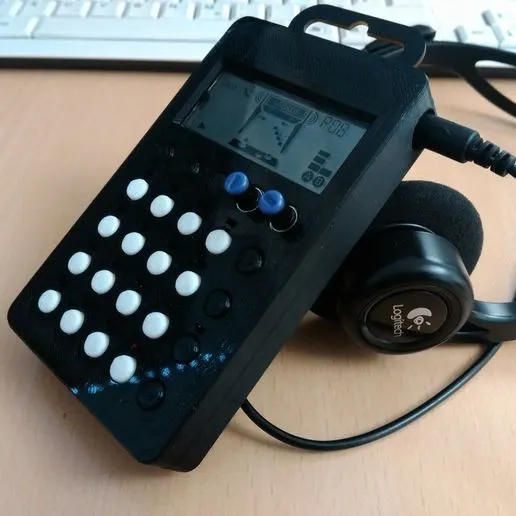
Pocket Operator Case (Cults3D)
Free 3D-printable protective case for Pocket Operators
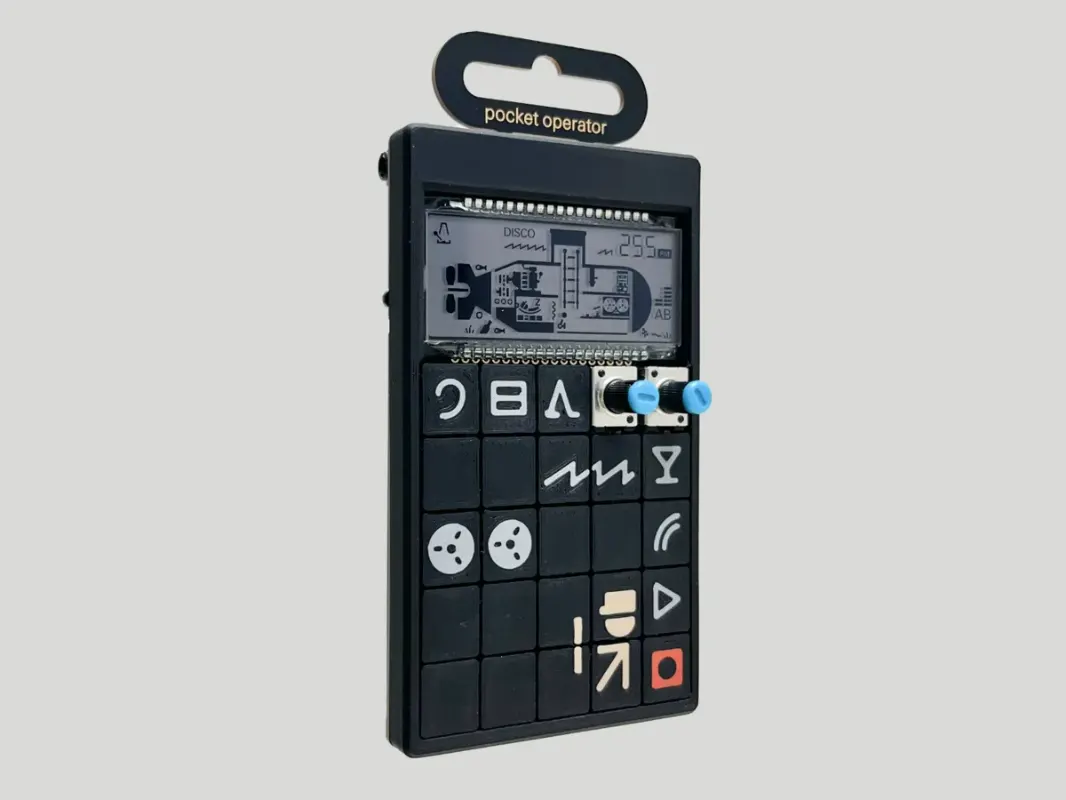
Pocket Operator Cover
Printable snap-on cover to protect a Pocket Operator
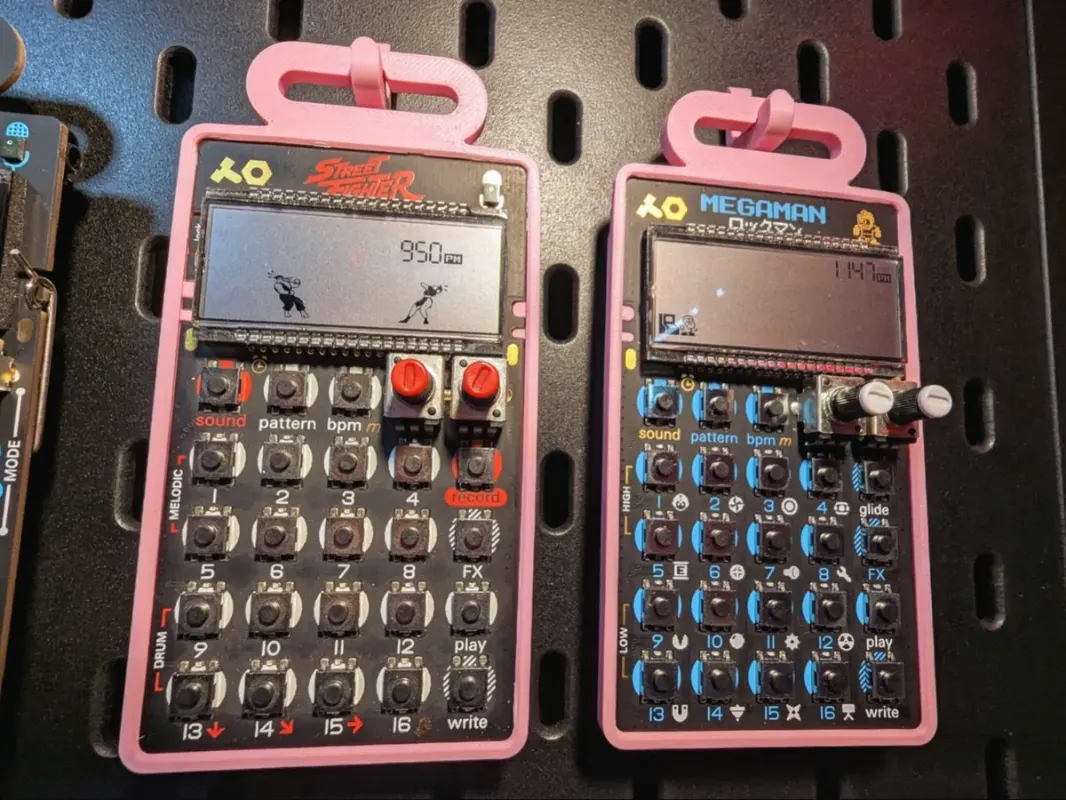
Pocket Operator Hanger
Printable wall-hanger shell to display a Pocket Operator
TEcases
Precision-fit protective cases for the Teenage Engineering lineup
Guides & Cheatsheets
All guides & cheatsheets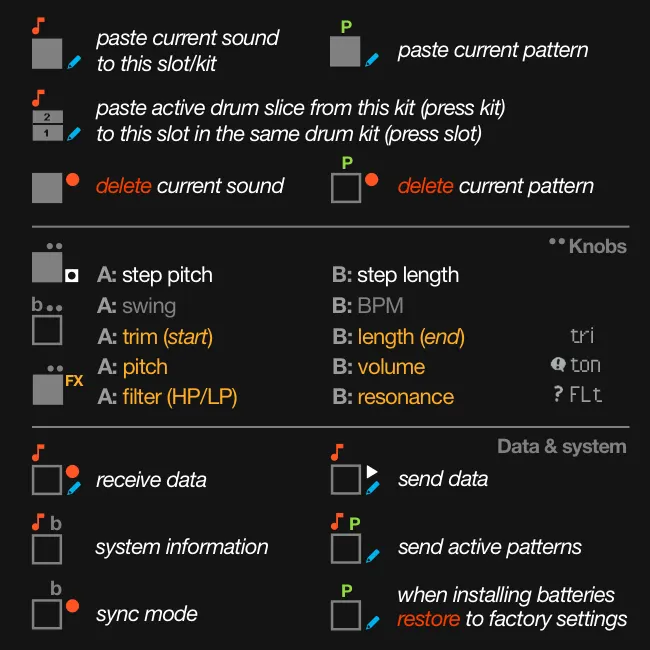
PO-33 K.O! Cheat Sheet
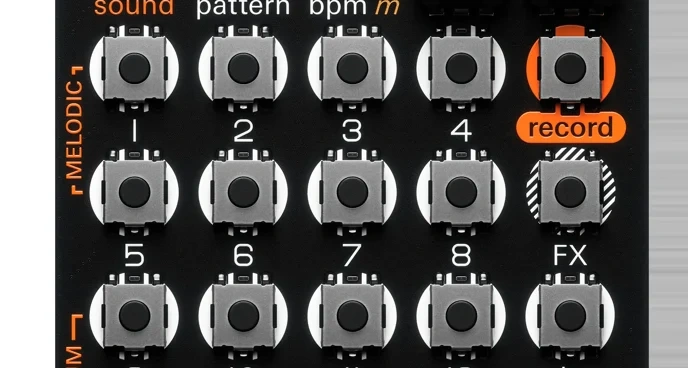
Quick-reference key combos for the PO-33 K.O! sampler
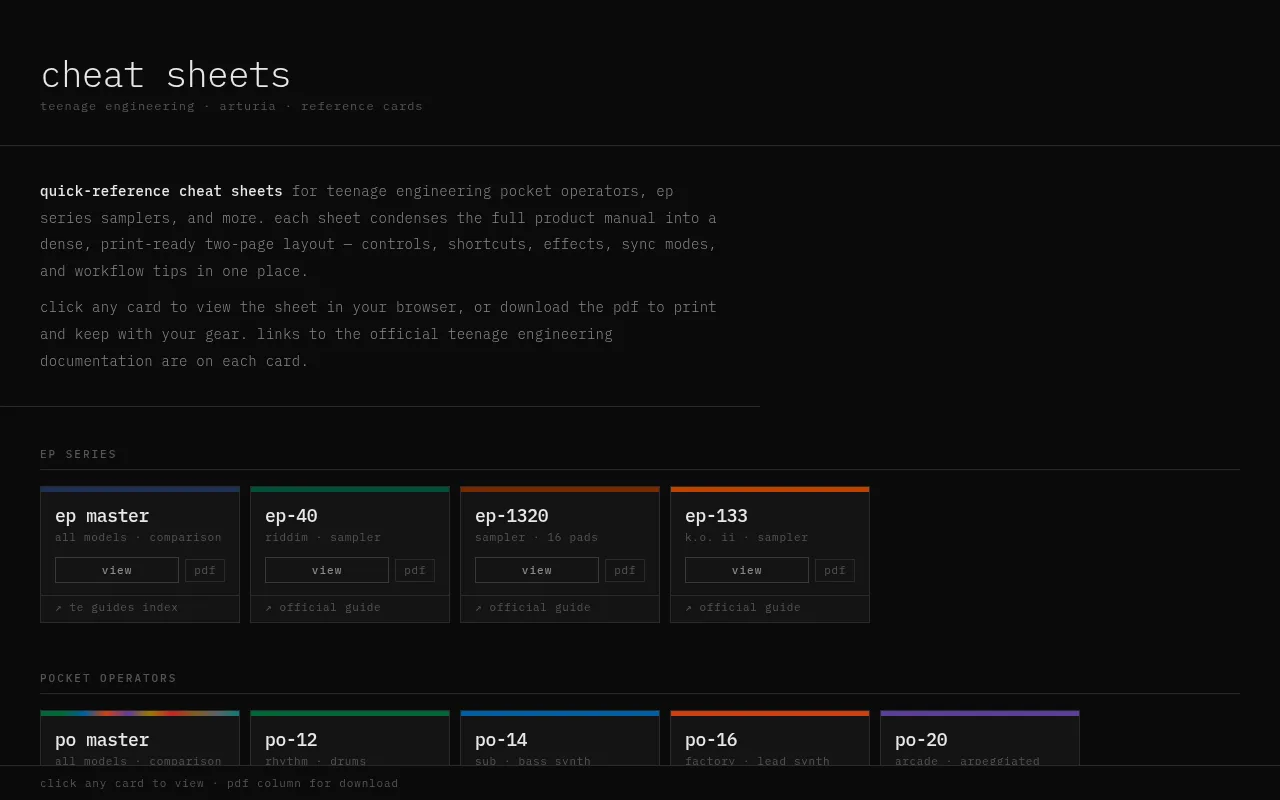
PO & EP Cheat Sheets
Printable cheat sheets for the Pocket Operator and EP series
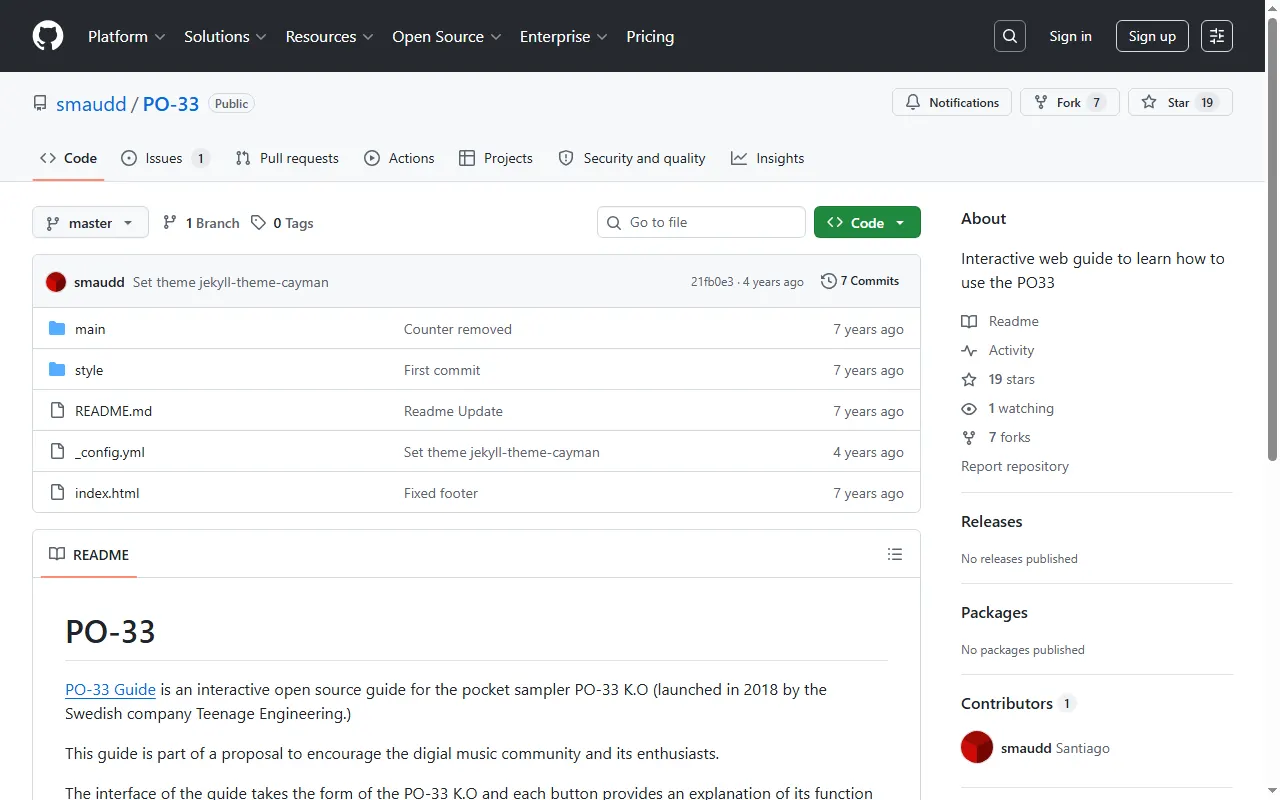
PO-33 Interactive Guide
Learn the PO-33 K.O! with a clickable, interactive web guide
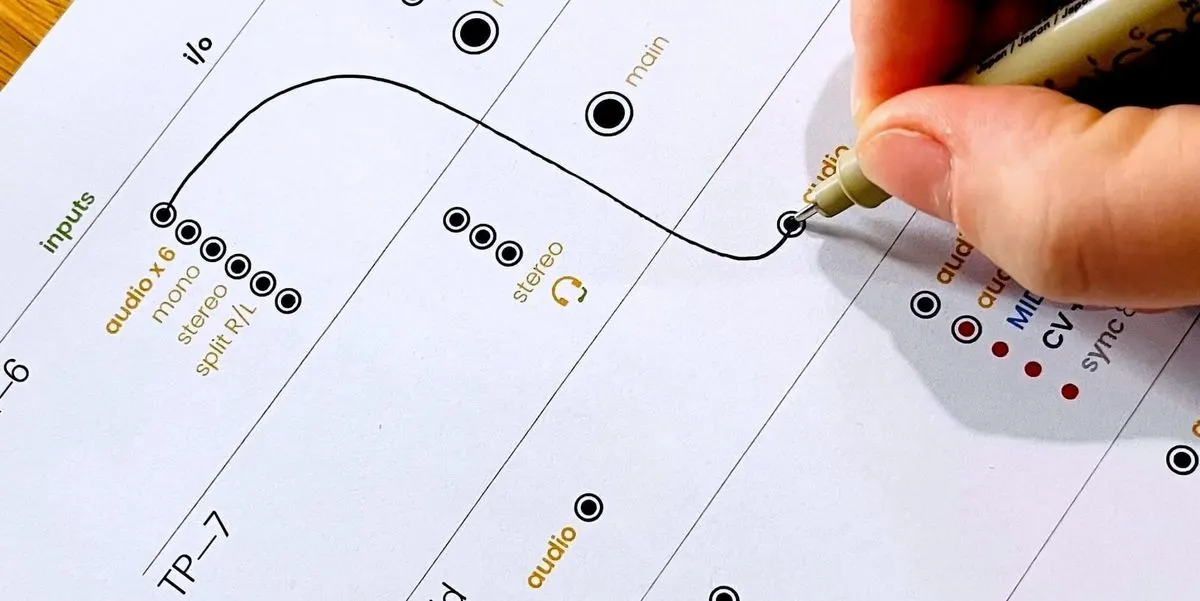
Teenage Engineering Connection Cheat Sheets
Printable I/O worksheets for planning how to wire TE gear together
Patch & Preset Editors
All patch & preset editors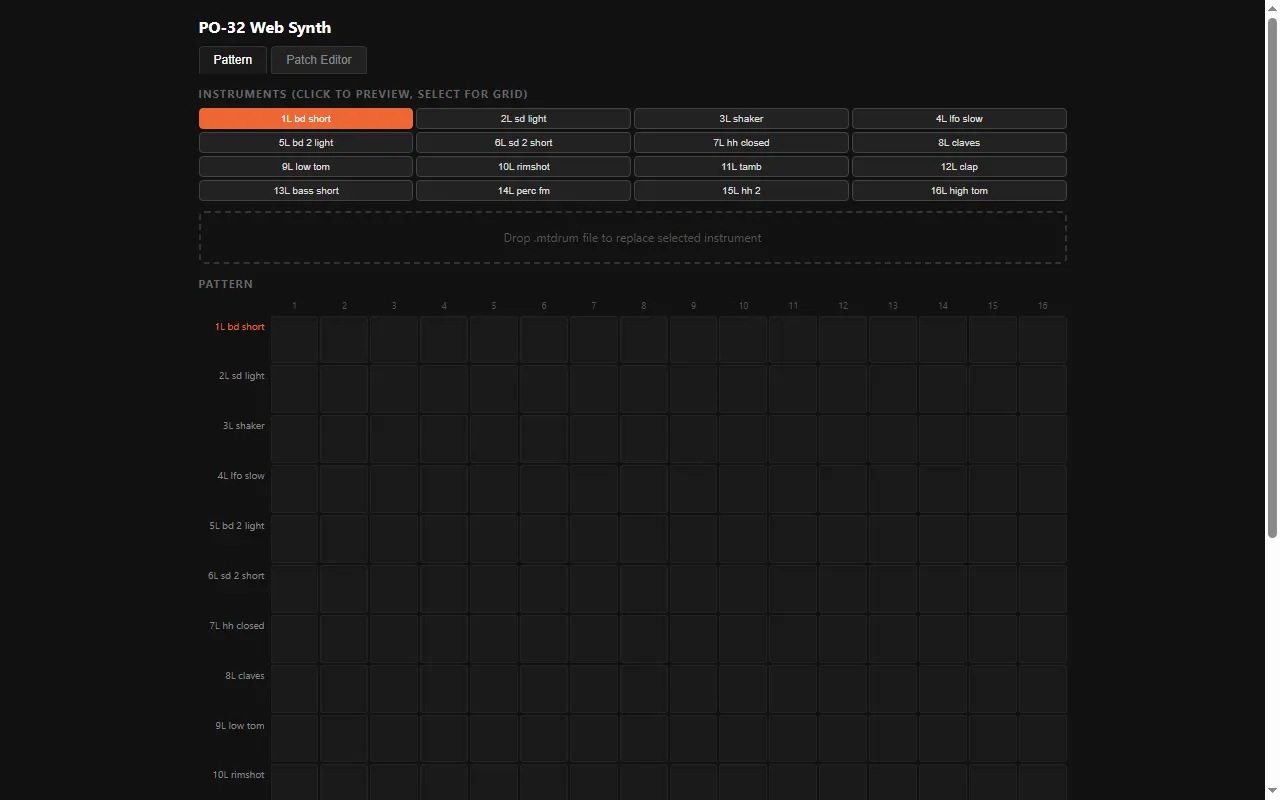
Community Hubs
All community hubs
Pocket Operators questions, answered
All 9 FAQsHow do I clock-sync a TX-6, OP-1 field, EP-133 K.O. IIs, and Pocket Operators for live performance?
Pick one master clock and split your gear into two sync worlds. The OP-1 field and the K.O. IIs speak MIDI clock, so run MIDI/USB from your master (the TX-6 works well as the hub) to those devices and set them to follow external clock. Pocket Operators don't do MIDI — they sync to an audio click on the left channel, so feed them a sync signal from a PO set to send sync, a dedicated sync box, or a MIDI-to-audio-sync converter, and chain the POs from there. Decide up front whether your MIDI master or your PO chain is the timing reference and derive the other from it, so everything starts from one tempo.
Can a beginner — or a kid — have fun with a K.O. sampler?
Definitely. The K.O. samplers are designed to be immediate: you sample a sound, tap pads to play it, and you're making a beat within minutes, which makes them great for a curious beginner or a rhythm-minded kid. The EP-133 K.O. II is the full-size one with the deepest features; if budget or ruggedness matters, the pocket-sized PO-33 K.O. is much cheaper and just as playful. Either is forgiving to noodle on, and the manuals are short — the main thing is the willingness to experiment.
How do I chop a breakbeat across the pads on the PO-33?
The PO-33 doesn't auto-slice — you build the chop by hand. Sample short segments of the break into separate sound slots (sample each hit/section over the line-in, trimming each one), so different pads trigger different parts of the loop. Or sample the whole break to one slot and re-trigger sections live in a pattern. Keep segments short (the PO-33's sample memory is small) and match the source tempo so the slices line up when you sequence them.
How do I get my own samples onto the PO-33?
You sample into the PO-33 through its line-in — play the audio from a phone, computer, or mic into the input and record it, then trim the start/end and it lands in a sound slot. There is no USB, so you cannot drag WAV files onto it from a computer; everything is sampled in over the audio input. Match levels going in to avoid clipping, and remember the total sample memory is small, so keep clips short.
What's the best way to save or back up beats on the PO-33 (and Pocket Operators generally)?
Pocket Operators have no USB or file storage — your patterns and samples live in battery-backed memory, so they persist while the batteries are good but there is no project file to export. To "back up" a track, record the audio output (the 3.5mm line/headphone jack) into a phone, recorder, or computer. There is no way to save the PO-33's sample memory or patterns to a file, so keep your source samples on a computer and re-record them if you ever lose the memory.
My PO-33 won't turn off — how do I power it down?
Pocket Operators have no power switch. They auto-sleep after a few minutes of inactivity (the screen goes off) and wake on a button press, so there's nothing to "turn off" — just leave it and it sleeps. To force it fully off, remove the batteries (or unplug external power). Because patterns/samples live in battery-backed memory, don't pull the batteries mid-edit if you want to keep your work.